Gator Student Investment Fund
Manage investment funds in a role that mirrors Wall Street
Join more than 50 of your classmates to invest the $1,900,000 in assets under management of the Gator Student Investment Fund.
You’ll deploy capital in value-oriented, domestic equities while managing portfolio risk. Funds support scholarships for first-generation, low-income students. You’ll also gain a sizable network, plus knowledge and experience that prepares you for internships and full-time positions.
If you’re selected, you’ll be placed into industry-focused research teams that pitch undervalued equities with support from our finance professionals.
Investment mandate
Students construct a stock portfolio with the objective of outperforming the S&P 1000 Index. Working in teams that cover sectors within the S&P 1000, students identify undervalued stocks using a value-oriented investment approach grounded in rigorous fundamental research.
How we invest: Security selection
- Target inefficient markets: The fund invests in small- and mid-cap companies where lower sell-side coverage and structural inefficiencies create more frequent mispricing than in the S&P 500.
- Outperform the benchmark through fundamental research: Sector teams identify undervalued businesses through diligent research, use both intrinsic and relative valuation, and pitch those ideas to the investment committee.
- Filter ideas through a rigorous pitch pipeline: Candidate investments move from rapid “swift pitch” screens to formal proposals and ultimately a full-fund final pitch before the investment committee deploys capital.
How we invest: Portfolio construction
- Sector neutral portfolio: GSIF allocations to each sector closely match the S&P 1000 benchmark sector allocations. The fund returns only deviate from the S&P 1000 benchmark as result of security selection with sector portfolios.
- Risk limits: Position sizes in individual stocks are set to maximize returns versus the S&P 1000 benchmark with a limit on the amount of tracking error volatility versus the S&P 1000.
- Limited macro factor exposures: The portfolio is constructed so that changes in the macroeconomic environment have little impact on the fund’s performance versus the benchmark index.

Join the fund
The fund accepts new member applications each semester in a highly competitive process. Applicants in their first or second year of study are preferred. Students from all academic disciplines are welcome to apply.
Fall 2026 applications are due by 11:59pm on September 6th.
Application process
Applicants should demonstrate curiosity for financial markets and investing, a collaborative attitude with a desire to learn, the ability to articulate ideas persuasively and a creative and thoughtful stock pitch.
- An information session details the organization’s structure, investment philosophy, and application process, and introduces the Portfolio Managers to applicants.
- The stock pitch session provides an overview on expectations and how to pitch a stock.
Pitches that focus on an original thesis highlighting a difference from the broader market view are recommended. Discuss why the stock is undervalued and what factors will prompt the stock to rise to its “fair value.” Please focus on the qualitative story of the investment thesis backed by thoughtful supporting research and logic rather than model calculations. Pitches are evaluated on:
- Long-term value-oriented investment
- Public U.S. Equity with a market-cap greater than $200 million (ADRs are allowed)
- Pitch length of 3 pages max. Submit as a PDF.
- Supporting quantitative analysis through Excel is welcome – submit via email (not required).
Refrain from pitching mega-caps (e.g., Apple, Tesla, etc.) or equities that lack significant historical financial data as it is difficult to develop and defend a viewpoint that is differentiated from the market.
Submit background information, a resume, and a stock pitch. The pitch is the most critical element of your application as it demonstrates creativity, analytical ability, and interest in the stock market and long-term investing.
The GSIF executive team extends final-round interviews to qualified candidates only. Interviews
include behavioral and technical components, and the difficulty level is scaled to reflect the
candidate’s experience (e.g., candidates who submit a DCF will receive questions on it). These
interviews will be the basis for final decisions on the new analyst class.
Training for first-year analyst
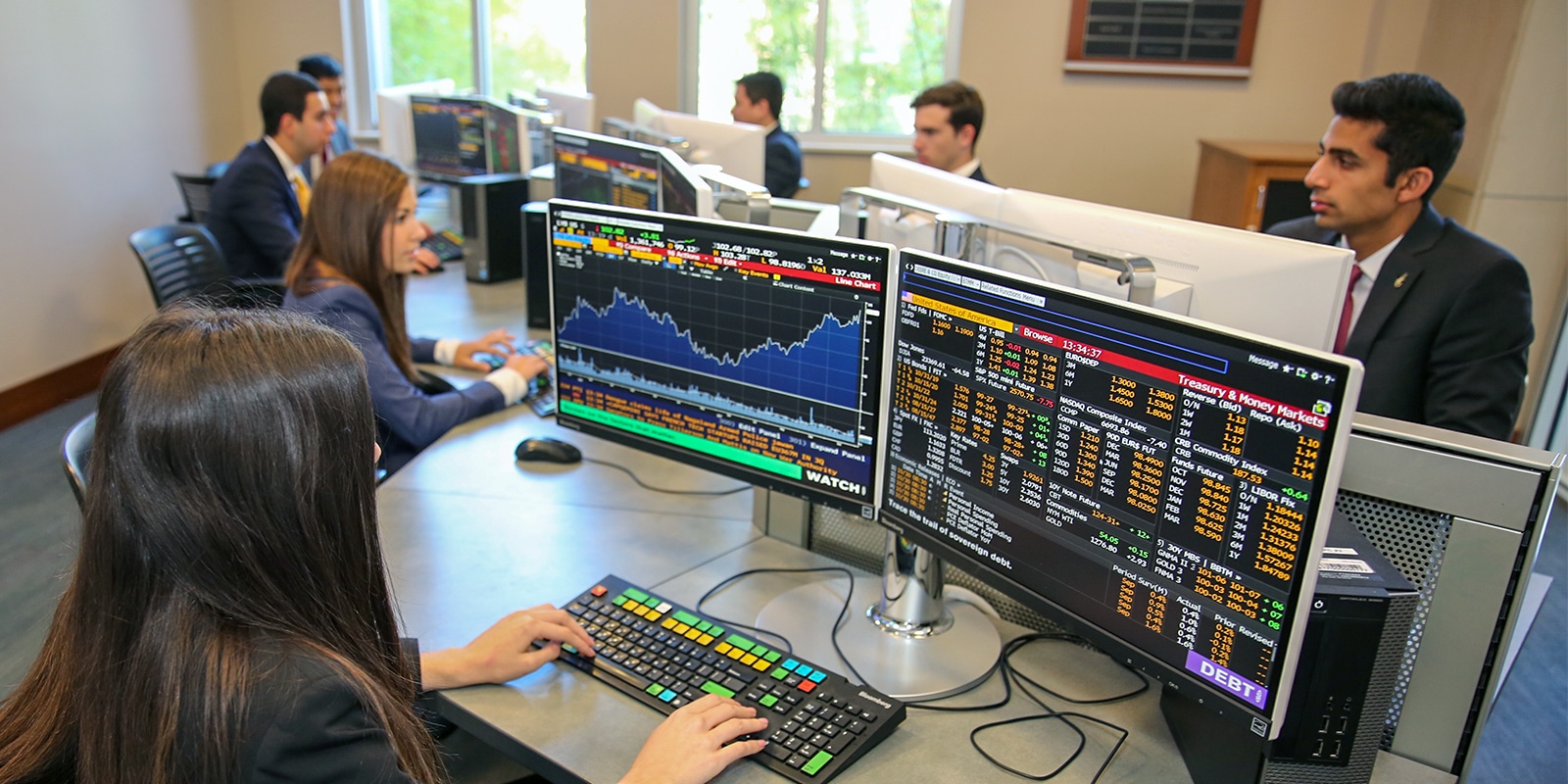
New analysts train for eight weeks in value investing, accounting, financial analysis, due diligence, modeling and valuation, while also learning Capital IQ and Bloomberg software. Post training, you’ll prepare equity research that guides your final pitch.
- Week 1: Introduction to the fund and value investing
- Week 2: Accounting
- Week 3: Ratios, multiples, and discounted cash flow
- Week 4: Discounts and value drivers
- Week 5: Investment thesis
- Week 6: Portfolio management
- Week 7: Attribution
- Week 8: Special topics in corporate finance
Training for existing members
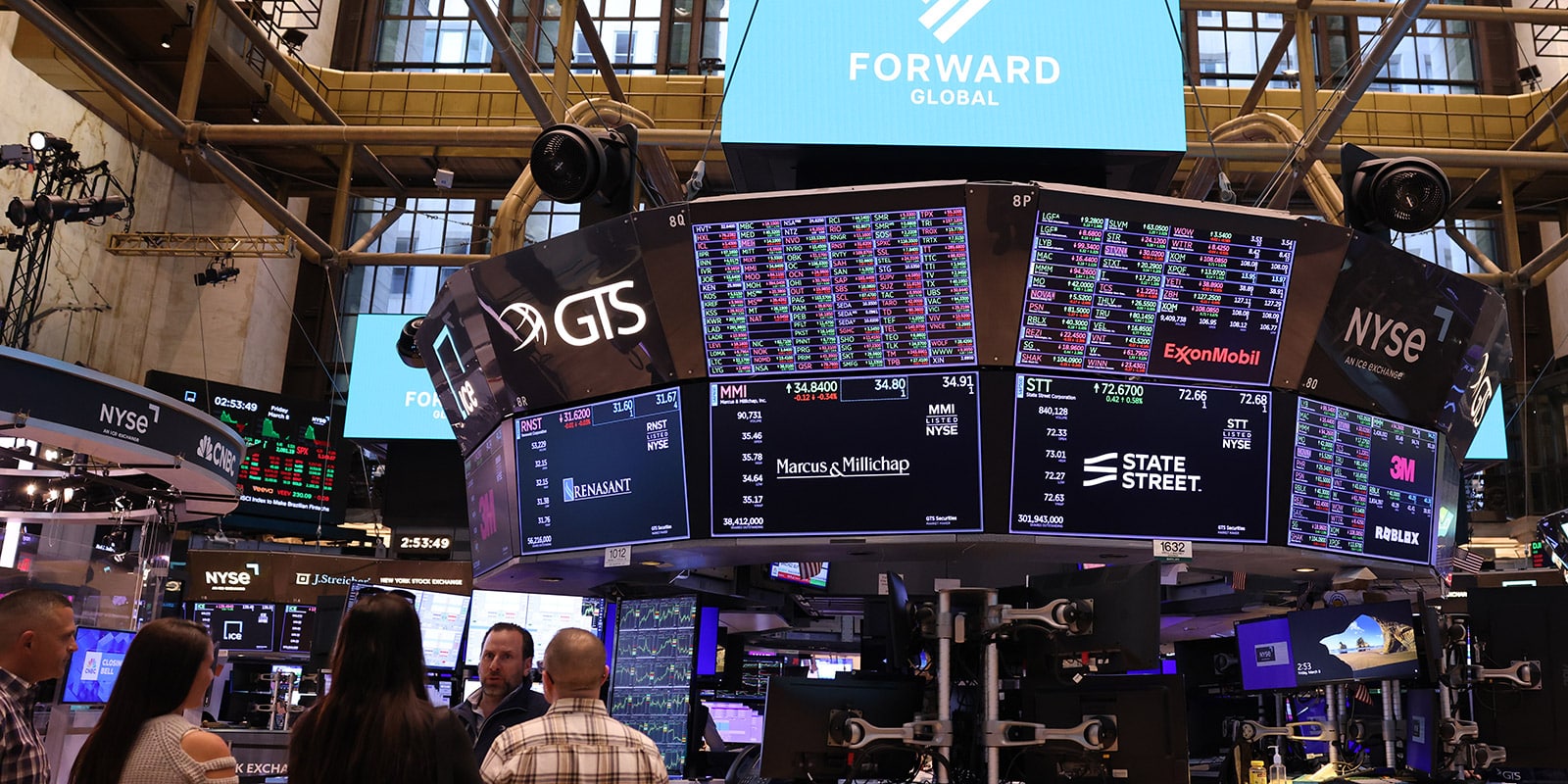
Existing members undergo comprehensive training designed to expose them to a wide range of finance sectors, helping them identify areas they want to pursue for junior summer recruitment.
The program covers key fields of finance through both lectures and hands-on case work, giving members a practical understanding of each area. This allows them to make informed decisions on which fields align with their interests and career goals. Areas include:
- Investment banking
- Credit & restructuring
- Private equity
- Public market investing
Fund leadership
Portfolio managers and senior advisors

Watson Hewitt
Investment Committee

Nikash Jakkidi
Investment Committee

Sophia Miele
Investment Committee

Cullen Wyatt
Investment Committee

Blake Disler
Head of External Relations
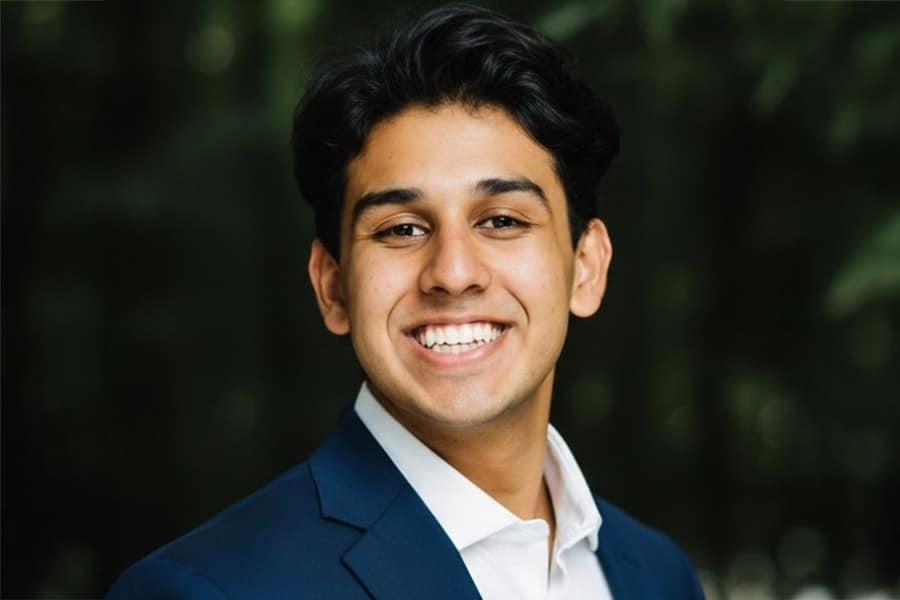
Aditya Gandhi
Co-Head of Development

Siddarth Pandey
Co-Head of Development

Alexander Winning
Head of Attribution
Fund sectors

Businesses that sell goods and services directly to individuals, driven by household spending patterns and brand preference. Notable investments include Deckers, Sonos, and United Parks & Resorts.

Companies involved in supplying and transporting energy resources, including traditional hydrocarbons and emerging renewable solutions that support global industrial activity. Notable investments include Tidewater, and World Kinect.

Firms that allocate, intermediate, insure, or manage capital through lending, underwriting, payments, and data-driven financial infrastructure. Notable investments include Encore Capital Group, First Horizon, and Morningstar.

Providers of products, technologies, and services that support patient care, medical treatment, and the broader health ecosystem. Notable investments include Arcadia Healthcare, Envista, and Select Medical.

Operators that produce equipment, infrastructure, and mission-critical services that enable transportation, construction, logistics, and industrial capacity. Notable investments include Great Lakes Dredge & Dock, Amentum, and SAIA.

Companies that extract, process, or transform raw inputs into essential chemicals, metals, aggregates, and specialized materials used across the economy. Notable investments include Akzo Nobel, Knife River, and Royal Gold.

Owners and developers of income-producing properties across commercial, residential, specialty, and land-based assets. Cash flows are generated through leases, development, and long-term asset appreciation. Notable investments include Essential Properties Trust, Macerich, and Terreno Realty.

Firms that create and distribute technology and digital content, including software, hardware, semiconductor innovation, telecommunications, and modern media platforms. Notable investments include Manhattan Associates, Navitas, and Procore.
Career placements
Alumni work in financial services companies nationwide. Graduates are highly sought after because of their real-world experience.










Recent summer analyst placements
- Blackstone – Private Credit
- Bluejay Advisors – Investment Banking
- Evercore – Investment Banking (2x)
- Goldman Sachs – Investment Banking
- Houlihan Lokey – Investment Banking
- Lorient Capital – Private Equity
- Macquarie – Investment Banking
- Moelis – Investment Banking
- NISA Investment Advisors – Portfolio Management
- RBC – Investment Banking (6x)
- Solomon Partners – Investment Banking (2x)
- Wells Fargo – Real Estate Banking
- William Blair – Investment Banking
- Apogem Capital – Private Credit
- Bank of America – Investment Banking
- BDT & MSD – Merchant Banking
- Citi – Global Markets
- Evercore – Investment Banking (4x)
- Goldman Sachs – Investment Banking (3x)
- Graham Partners – Private Equity
- Guggenheim – Restructuring
- Houlihan Lokey – Investment Banking
- Kipps DeSanto – Investment Banking
- Lincoln – Investment Banking
- Moelis – Investment Banking
- Nomura – Global Markets (2x)
- PSP Investments – Private Credit
- PWP – Investment Banking
- RBC – Investment Banking (3x)
- William Blair – Investment Banking
Investment advisory committee