Beyond the stores: Where JC Penney’s legacy lives on
As part of an effort to connect Warrington students with the legacy of J.C. Penney and Penney Farms, students Kirthika Sasikumar and Stella Van Aken were invited to create a narrated video montage and publication keepsake for the community and its enduring mission of service, purpose, and connection.
The project was initiated by Clara Miller, daughter of David F. Miller, whose transformational endowment established the Miller Retail Center at the University of Florida. Clara and the Miller family continue to have a profound and lasting impact on the Center and the Warrington College of Business, extending David Miller’s commitment to retail education and creating opportunities for generations of UF students.
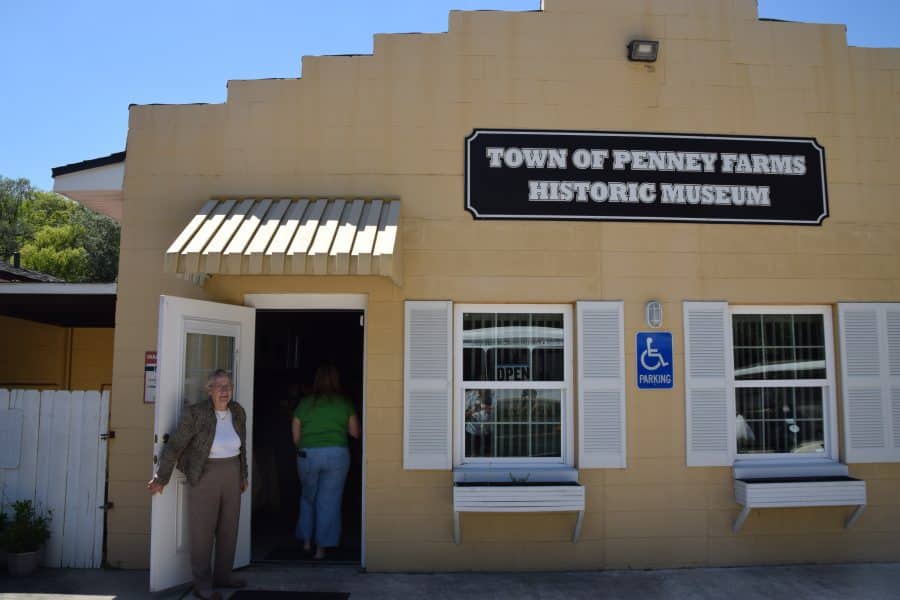
Stella’s visit offered an opportunity to explore Penney Farms not simply as a retirement community, but as a living example of the values that have shaped J.C. Penney’s legacy for nearly a century.
Just several miles north of Gainesville sits a quiet town where golf carts replace traffic, neighbors know one another by name, and aging looks remarkably different than most people imagine. At first glance, Penney Farms appears to be another peaceful retirement community tucked away beneath Florida’s oak trees. Spend a day there, however, and it becomes clear that it is something much greater.
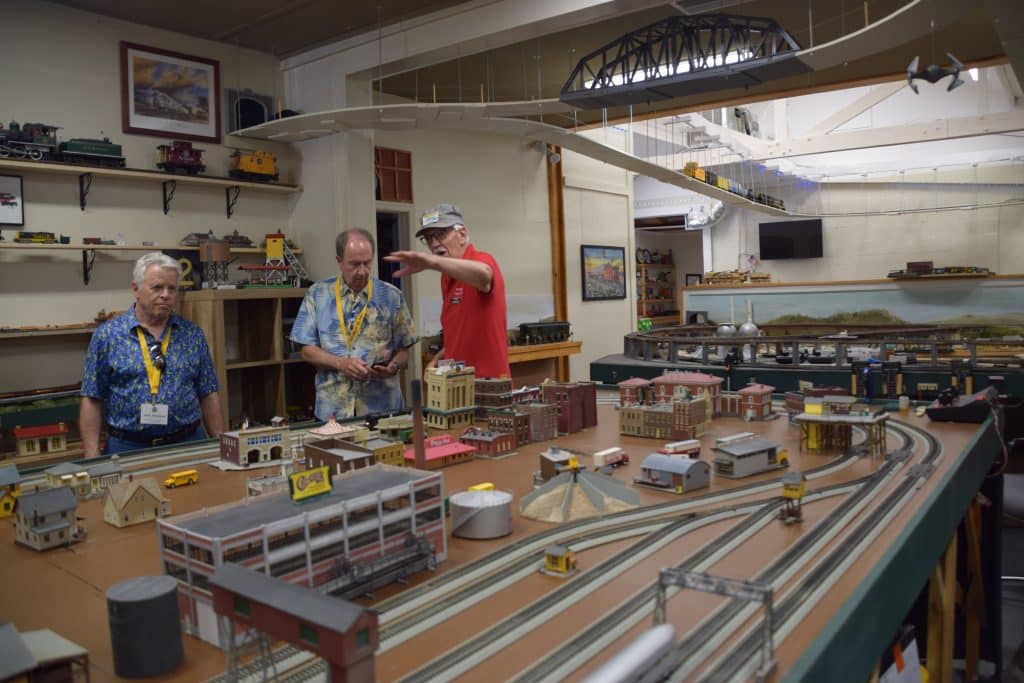
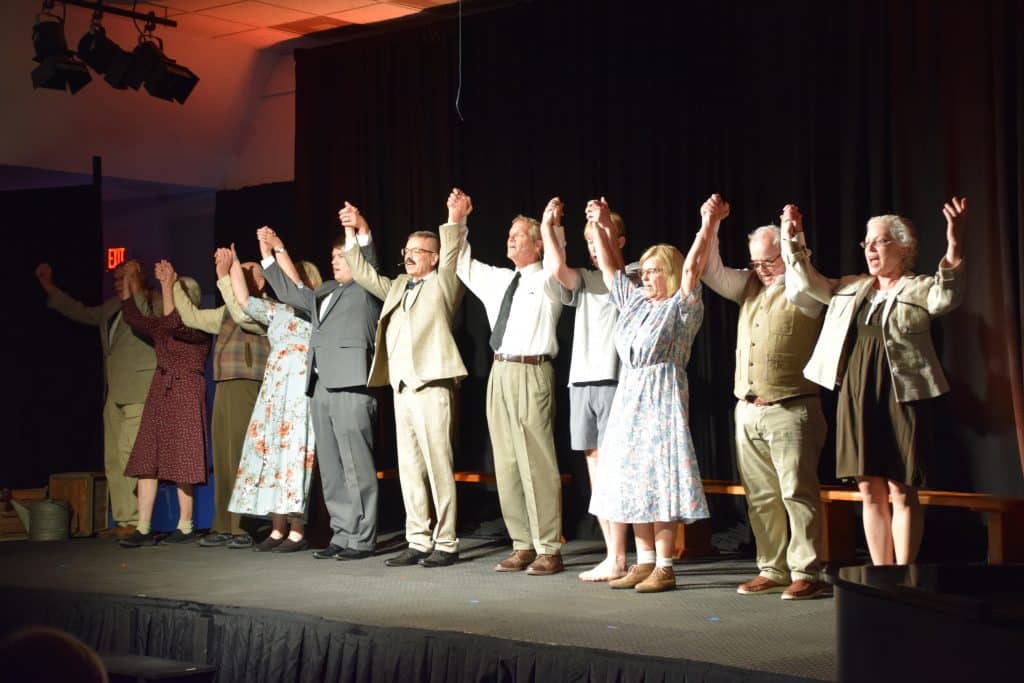
Inside a woodworking shop, residents in their eighties and nineties carefully assemble hand-powered mobility carts that will eventually change the lives of people across the globe. In another building, volunteers rehearse for a community play while an organ echoes through the chapel. A retired CPA helps neighbors prepare their taxes. Across town, model trains wind through intricate landscapes, built entirely by residents who once held careers spanning ministry, engineering, education, healthcare, and business.
No one seems to have retired from life.
Instead, they have simply found new ways to contribute.
That may be the greatest lesson Penney Farms has to offer.

Originally founded by retailer James Cash Penney as an agricultural community during the Great Depression, Penney Farms has evolved into a nonprofit retirement community serving former clergy, missionaries, healthcare workers, educators, and individuals from countless other backgrounds. While the community has changed over the decades, its core values have remained remarkably consistent.
It doesn’t take long to understand what binds the community together.
In conversation after conversation, one word kept resurfacing.
Purpose.
Residents rarely credited long life to genetics alone. Instead, they spoke about staying engaged, serving others, maintaining friendships, and waking each morning with a reason to get out of bed.
“Once you retire and stop keeping your mind busy,” one resident explained, “you start to fade.”
Penney Farms was built around the belief that purpose should never diminish.
Each year, residents contribute nearly 170,000 volunteer hours. They mentor neighbors, welcome newcomers, perform in community productions, prepare taxes, and build mobility carts through the PET (Personal Energy Transportation) program for individuals with disabilities around the world. One recipient captured the program’s significance by saying, “I was born when I got my cart.”
The community functions less like a traditional retirement center and more like a carefully designed ecosystem where residents remain active, connected, and fulfilled. Every aspect of Penney Farms, from its volunteer initiatives to its physical layout, encourages meaningful relationships and continued contribution.
Even its design reflects this philosophy. Homes were intentionally built without backyard fences, while shared spaces invite spontaneous conversations and daily interaction. As residents often say, “Fences tear down relationships.” Penney Farms was designed to bring people together.
“You are never alone if you do not want to be,” another resident shared.
For many, retirement can also mean losing the identity built over decades of work. Careers provide routines, friendships, responsibilities, and a sense of worth. Without those structures, many people struggle to redefine who they are.
Penney Farms recognizes that challenge by helping new residents discover where they can continue contributing. Rather than simply filling time, the community creates opportunities for residents to share their talents, build lasting relationships, and continue making a meaningful impact well into retirement.
This philosophy mirrors the journey of the community’s founder.
J.C. Penney experienced extraordinary success, becoming one of America’s most influential retailers. Yet after the economic collapse of the Great Depression, he lost much of his fortune and endured severe emotional hardship. What remained were his faith, his commitment to serving others, and the investment he had made in Penney Farms.
Nearly a century later, that investment continues to flourish.
Stores have changed.
Leadership has changed.
Generations have come and gone.
Penney Farms is still standing.
Residents often repeat another quote attributed to Penney that captures the spirit of the community:
“Everything I kept for myself is gone. Everything I gave away is still standing.”
Perhaps no sentence better summarizes both his legacy and the community that bears his name.
The longevity of Penney Farms is not simply the result of careful financial planning or fortunate circumstances. It has survived economic downturns, leadership transitions, cultural shifts, and changing generations because its foundation was never built solely on buildings or business.
It was built on people taking responsibility for one another.
Residents frequently describe neighbors accompanying one another to hospitals, delivering meals during illness, supporting those facing financial hardship, and ensuring no one feels forgotten. The community operates as a nonprofit, intentionally prioritizing care over profit. Independent living residents help sustain assisted living services, and no resident is forced to leave simply because they outlive their financial resources.
In many ways, Penney Farms reflects the same values that allowed J.C. Penney himself to rebuild after personal hardship: faith, resilience, generosity, and service. These values continue to shape everyday life, often in quiet ways.
Whether through building a mobility cart, welcoming a new neighbor, performing in a community play, or simply sharing dinner beneath the shade of an old oak tree, residents demonstrate that aging does not have to mean decline.
Overall, Penney Farms offers an unexpected lesson.
Success is often measured by titles, salaries, promotions, and accomplishments. Yet many of the people who have already achieved those milestones eventually arrive at the same conclusion.
The work they remember most is the work that served someone else.
Leaving us to believe that perhaps purpose is not something we discover after retirement, but something we spend our entire lives building.
Nearly one hundred years after J.C. Penney first invested in this small Florida community, his biggest impact on others today may not be the stores that carried his name. It may be this quiet town just outside Gainesville, where people continue proving every day that a meaningful life is measured not by what we accumulate, but by what we leave behind.
Related stories


Sign up for our mailing list
Thank you for submitting this form, %WCBFAFORMFN%
We will contact you shortly.
For the media
Looking for an expert or have an inquiry?
Submit your news
Contact us
Follow us on social
@ufwarrington | #BusinessGators